 GOEZ
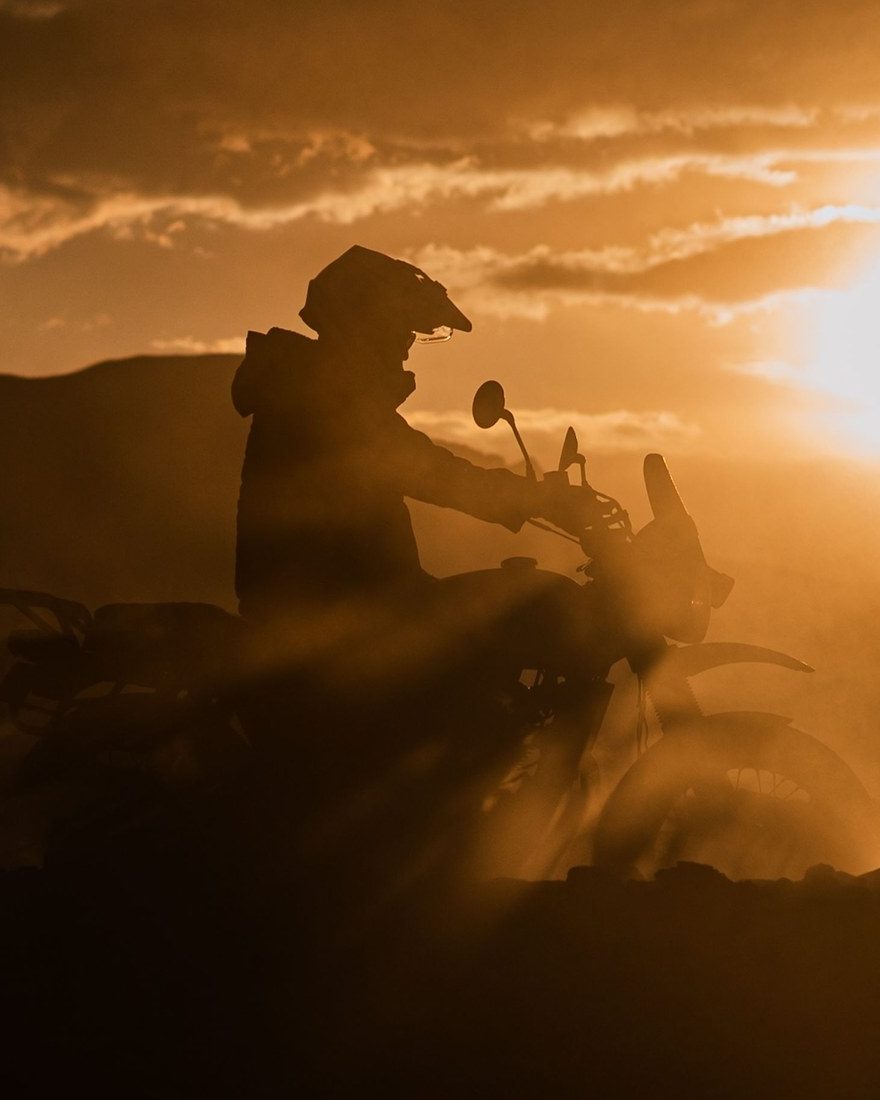
As a new rider, take a proper training course, wear full protective gear every time, and practise clutch, throttle and braking in an empty car park before you ride in traffic. Look far ahead to where you want to go, ride as if drivers can't see you, and build up to longer rides and group rides gradually.
Nobody rides well on day one. Good riders got there by practising the basics until they became automatic, then adding one new challenge at a time. The tips below follow that order: training first, then control, then traffic, then distance.
Start with proper training
A riding course is the fastest way to learn the right habits before the wrong ones stick. Instructors spot mistakes you can't feel yet, like looking down in corners or covering the clutch without meaning to. Licence rules and course formats differ by country, so check what you need where you live — but even if a course isn't required, take one.
Keep learning after you pass. A refresher or advanced course after your first season is often where things really click.
Wear full gear on every ride
Short rides are not safer rides. Dress for the slide, not the ride:
- A helmet that fits snugly and is certified for your country
- A jacket and trousers with armour at the shoulders, elbows, hips and knees
- Gloves that cover your wrists
- Boots that cover your ankles
- Bright colours or reflective panels so others see you
Our motorcycle gear guide covers what to look for in each piece.
Practise in an empty car park
Before your first ride in traffic, find a large, empty, flat space — a car park outside opening hours works well (ask first if it's private). Spend a few sessions on:
- Pulling away and stopping smoothly, again and again
- Slow riding in a straight line at walking pace
- Tight turns and figure-eights, turning your head to look through the turn
- Stopping at a mark, then stopping harder each time
- Swerving around a marker, then straightening up
Short, frequent sessions beat one long one. Stop when you get tired — that's when mistakes start.
Clutch and throttle control
Most low-speed wobbles and stalls come from rough clutch or throttle inputs. Learn where your clutch starts to bite — the friction zone — and practise holding the bike there. At walking pace, a steady throttle, a slipping clutch and a light touch of rear brake keep the bike stable.
- Roll the throttle on and off gently; avoid sudden snaps
- Keep your wrist low so a bump doesn't open the throttle by accident
- Don't ride with the clutch partly pulled in once you're moving
- Change gear with smooth, deliberate movements
How to brake on a motorcycle
Braking is a skill, not a reflex, so practise it. Some general principles:
- Use both brakes. When you brake hard, weight shifts to the front wheel, so the front brake gives most of your stopping power. The rear helps stabilise the bike.
- Squeeze, don't grab. Apply the front brake progressively: take up the slack, then build pressure as the weight moves forward.
- Brake upright where you can. Do most of your slowing in a straight line before a corner.
- Know your bike. If it has ABS, learn how it feels when it works. Your manual explains how your system behaves.
- Look where you want to stop, not at the obstacle.
In a low-grip situation — wet roads, gravel, painted lines — be gentler with every input. Our guide to riding in the rain goes into detail.
Where to look
The bike goes where your eyes go. New riders tend to stare at the road just ahead of the front wheel. Instead:
- Look far ahead, then scan back towards the bike, and repeat
- In a turn, turn your head and look at the exit, not the kerb
- If you spot a hazard, note it, then look at your escape path — staring at it pulls you towards it
- Check mirrors often, and do a shoulder check before changing lanes
When you're ready to work on corners, read our guide to cornering techniques.
Be visible in traffic
Many crashes happen because a driver simply didn't see the motorcycle. Ride as if you're invisible:
- Choose a lane position where drivers can see you in their mirrors
- Stay out of blind spots; don't linger beside lorries or cars
- Slow down and cover your brakes at junctions where cars could pull out
- Leave a big gap to the vehicle in front — it gives you time and space
- Use your headlight and wear bright or reflective gear
- Signal early and make your intentions obvious
At night, visibility matters even more; see riding at night.
Your first long ride
Once short trips feel routine, plan a longer one. Keep it easy:
- Pick a route you know or a well-surfaced, quiet road
- Go in good weather and daylight
- Plan breaks every hour or so — fatigue arrives before you notice it
- Drink water, even when it's cool
- Check the bike before you leave with our motorcycle trip checklist
- Tell someone your route and when you'll be back
Looking for an easy first trip? Coastal roads with gentle bends, like Şile to Ağva, are a good start. Browse more motorcycle routes when you're ready. Record the ride with GOEZ and you'll see distance, moving time, breaks and corners when you stop — a simple way to watch your riding grow over a season. See ride tracking.
Moving on to group rides
Riding with others is fun, but it adds pressure to keep up. Wait until you're comfortable on your own first. For your first group ride, choose a small group with an experienced leader, ride at your own pace and position yourself towards the back with a sweep rider behind you. Learn the formation and hand signals beforehand: our group ride rules cover the basics.