 GOEZ
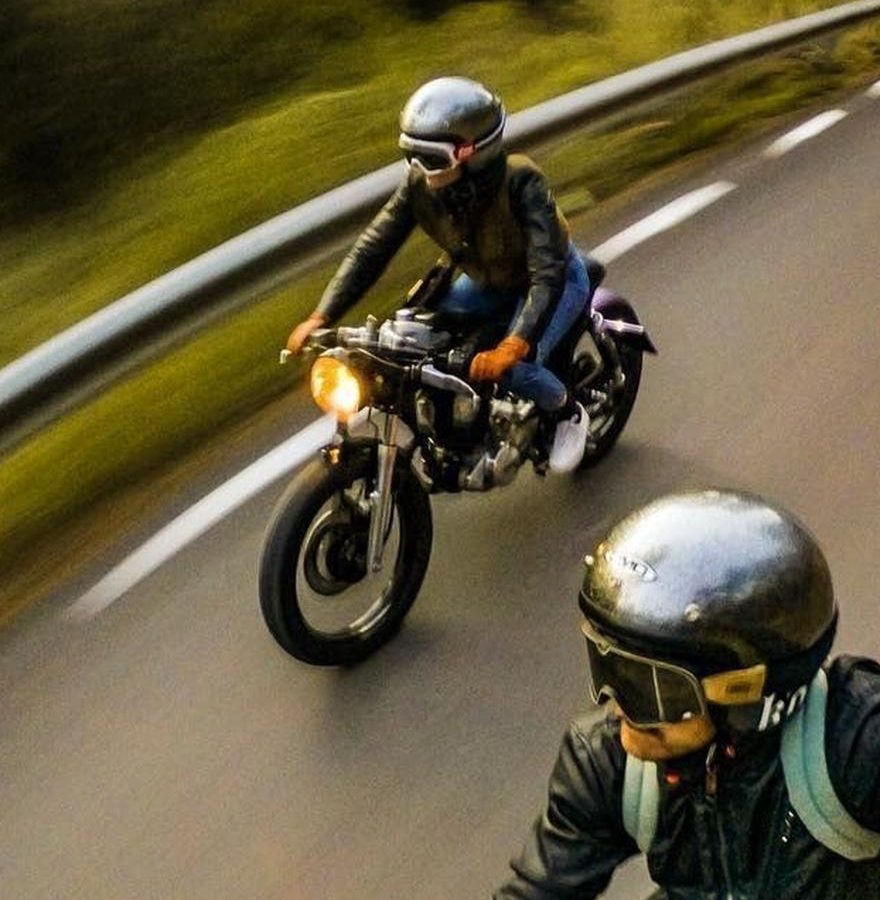
For motorcycle camping, pack light and compact: a small tent, sleeping bag, mat, simple stove and essentials. Keep heavy items low and centred, split weight evenly left and right, and adjust tyre pressure and preload for the load. Camp only where it's allowed, ask permission on private land and tell someone your plans.
Camping turns a motorcycle trip into something freer: you stop where the road ends for the day, cook outside and wake up already on the route. The trick is fitting a comfortable camp onto a bike that still handles well. Space and weight are tight, so every item has to earn its place.
Motorcycle camping gear list
Start with this list, then cut. Lay everything out at home and ask, item by item, whether you'll really use it.
Sleep
- Tent with a small packed size, easy to pitch alone
- Sleeping bag rated for the coldest night you expect
- Sleeping mat — it insulates you from the cold ground as much as it cushions
- Small inflatable pillow, or a stuff sack filled with clothes
Kitchen
- Compact stove and fuel, carried separately from food and away from heat
- One pot, a mug and a spoon — that's often enough
- Lighter or matches in a waterproof bag
- Water bottles or a collapsible container, plus a filter or purification tablets
- Simple food that doesn't need a fridge
Camp and tools
- Headlamp with spare batteries or a charging cable
- Multi-tool, cable ties and tape
- The bike's tool kit, tyre repair kit and a way to inflate
- A side-stand plate to stop the stand sinking into soft ground
- First-aid kit
- Power bank for your phone
- Rubbish bags — take everything away with you
Clothes: a warm layer for the evening, something dry to sleep in and rain gear. You'll be in riding gear most of the day anyway. For the full riding and document list, use our motorcycle trip checklist.
How to pack a motorcycle for camping
Weight changes how a bike accelerates, brakes and turns. Load it well and you'll barely notice; load it badly and it feels nervous, especially at speed and in crosswinds.
- Heavy items low and central. Stove, fuel, water, tools and food go in the lowest luggage, close to the bike's centre.
- Balance left and right. Weigh panniers or compare them by hand. Uneven sides make the bike pull.
- Light, bulky items on top and behind. Tent, sleeping bag and mat go in a roll bag on the seat or rack.
- Respect the limits. Your manual gives a maximum load for the bike, and racks and luggage have their own limits.
- Keep things clear. Nothing should cover lights, number plate or indicators, touch the exhaust, or hang near the wheel or chain.
- Adjust the bike. Set tyre pressure and suspension preload for a loaded bike, as the manual recommends.
Then take a short test ride fully loaded before the trip. Brake, turn and ride over bumps so you know how it feels.
Luggage types
| Type | Good for | Keep in mind |
|---|---|---|
| Hard panniers | Lockable, weatherproof, easy to pack | Need a mounting rack; add width |
| Soft panniers / saddlebags | Lighter, fit many bikes, flexible | Keep them clear of the exhaust and wheel |
| Tail bag / roll bag | Tent, sleeping bag and mat | Strap tightly; don't stack too high |
| Tank bag | Snacks, documents, things you need often | Mustn't block the steering or your view |
| Top box | Helmet storage, light items | Weight high and far back affects handling |
Whatever you use, put clothes and electronics inside waterproof liners or dry bags. Even "waterproof" luggage can let water in over a long, wet day.
Choosing a campsite
Arrive with daylight to spare. Pitching a tent in the dark after a long ride is no fun.
- Flat, firm ground for the tent — and for the bike's side stand
- Not in a dry riverbed or a dip where water can collect if it rains
- Not under dead branches
- Some shelter from the wind
- An access track you can ride out of after rain
- Park the bike facing the way out, on firm ground
Food and water
Plan where you'll buy food and fill up water each day, especially on remote routes. Pick meals that need one pot and little fuel. Carry more water than you think in hot weather, and treat water from streams before drinking it. Keep food sealed and away from your tent.
Staying safe
- Fire. Check local fire bans before using a stove or making a fire, especially in summer and near forests. Never leave a flame unattended.
- Weather. Check the forecast. Storms and cold nights are common in the mountains.
- Security. Lock the bike and keep valuables with you.
- Someone knows. Tell someone where you're heading and when you expect to check in. With GOEZ, a Ride Buddy can follow your ride live in their browser — see live location and SOS.
- Signal. Many good camping spots have no mobile coverage. Download offline maps and plan for it.
Motorcycle camping in Turkey
Turkey has official campsites along its coasts and in many national parks and forest areas, and rules for camping outside them vary by place. Some general guidelines:
- Campsites are the simplest option — you get water, toilets and peace of mind.
- On private land, always ask the owner first. Many people will say yes if you ask politely.
- Forests and protected areas may restrict camping and fires, especially in fire season. Check with the local authority or the site's management.
- Mountain nights can be cold even in summer, so pack accordingly.
Pair camping with a great road
The best camping trips link good riding roads with a place to stop for the night. Browse motorcycle routes for ideas — forest roads like Bolu to Lake Abant or coast roads like Kaş to Kalkan — then find a campsite nearby. Riding with friends? Our group ride rules help keep a loaded group together on the road.